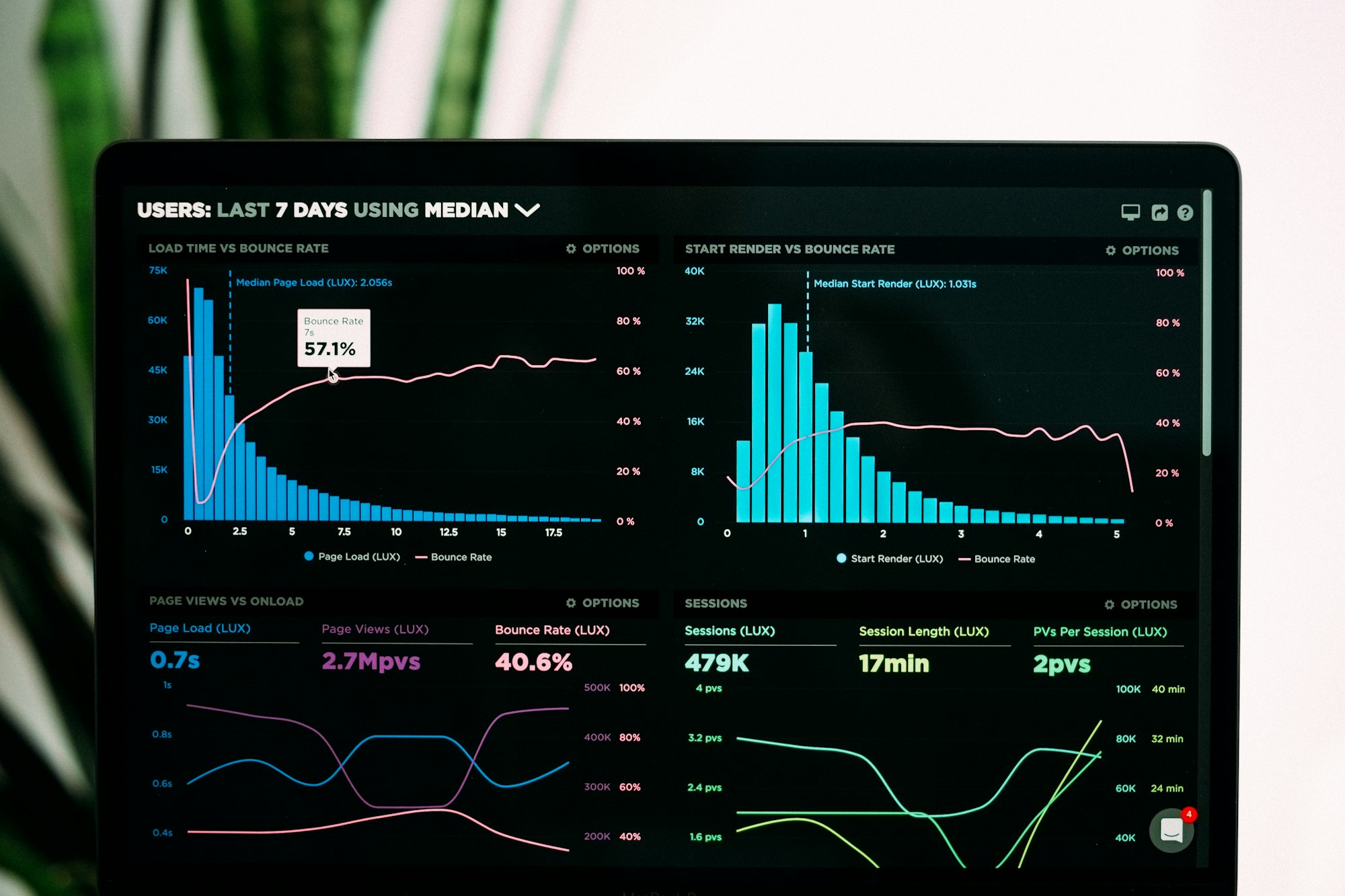
Search engines have evolved into sophisticated user experience evaluation engines. Today, web speed, server response times, and machine-readable data structures are as critical to organic rankings as content quality itself.
1. The Direct Correlation Between Page Speed and Revenue
Google’s ranking algorithms explicitly penalize websites with poor Core Web Vitals (Largest Contentful Paint, Cumulative Layout Shift, and Interaction to Next Paint). Every 100ms improvement in page speed directly reduces bounce rates and lifts conversion rates by up to 8%.
Achieving a 100/100 Lighthouse score requires moving beyond generic CMS plugins toward optimized asset pipelines, modern next-gen image compression (AVIF/WebP), and server-side edge caching via global CDNs like Cloudflare.
speed Core Web Vitals Benchmarks
LCP < 1.2s (Largest Contentful Paint) • CLS = 0 (Cumulative Layout Shift) • INP < 100ms (Interaction to Next Paint). Meeting these thresholds positions your platform in the top 5% of web experiences.
2. Programmatic SEO: Scaling Organic Search Real Estate
Instead of manually authoring individual blog posts, programmatic SEO utilizes structured database models to generate hundreds of high-quality, intent-driven landing pages dynamically. Whether indexing location-specific services or comparison matrices, programmatic architecture delivers dominant keyword coverage at scale.
3. Rich JSON-LD Structured Data
By embedding schema.org JSON-LD structured data into your templates (Organization, Article, Product, Service, FAQPage), search engines can instantly parse and showcase rich snippets, breadcrumbs, and rating stars directly in search results.